Pharmacies

Temperature mapping for pharmacies

Substantiate 2-8 °C storage and room-temperature storage in your pharmacy: pharmacy refrigerator, counter stock, night safe or temporary staging location.

2-8 °C refrigeratorCounter stockNight safeAudit-ready dossier
In brief

Temperature mapping shows whether medicines in a pharmacy are stored in suitable locations, both in 2-8 °C refrigerators and in rooms at ambient temperature. The study identifies warm and cold spots, supports safe product locations and justifies the position of routine temperature sensors.

Tools and 3D proposal

Start with a practical indication

Use the tool hub or create a 3D measurement-point proposal directly. It helps make room layout, product zones, doors and risks concrete before you choose a service level.

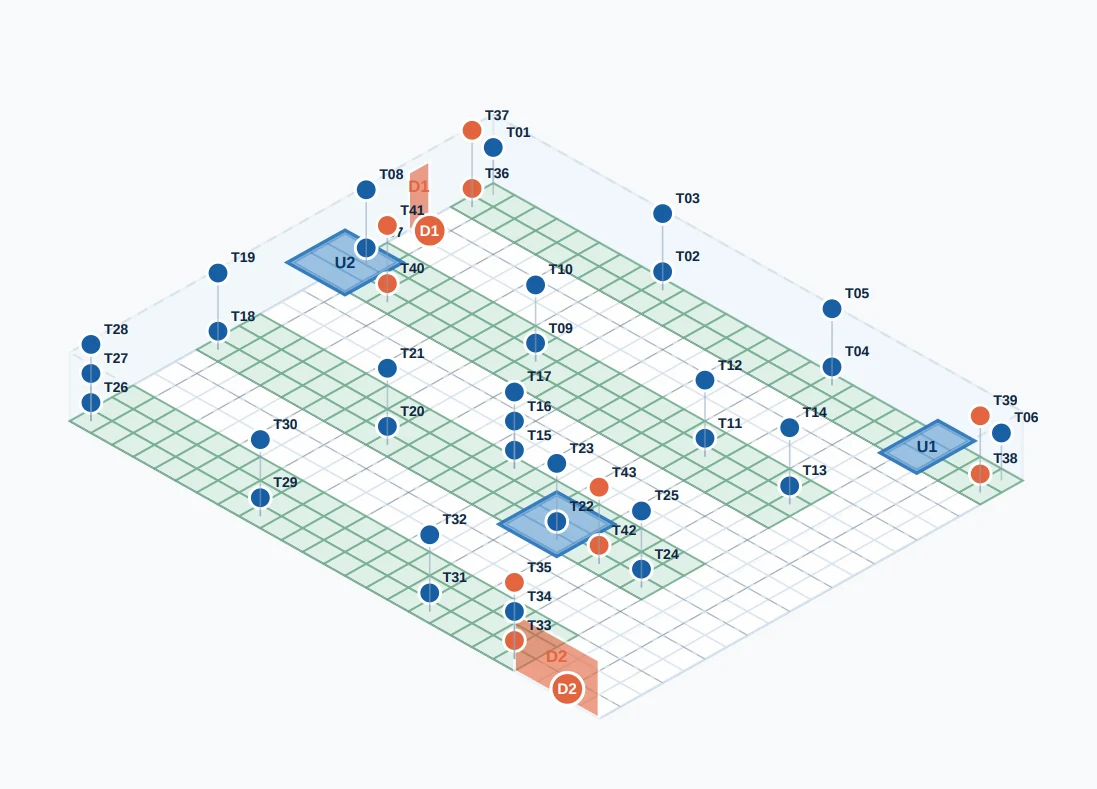
3D mapping tool for measurement points and logger placement
Two storage regimes

Refrigerator mapping and room mapping need different questions

In daily pharmacy practice, medicines are not only kept in a refrigerator. Stockroom shelves, counter stock, staging areas and night safes may also be relevant when products are stored there routinely or under higher-risk conditions.

2-8 °C

Refrigerated storage

For vaccines, insulin, biological medicines and other medicines requiring refrigeration. The mapping evaluates shelves, door influence, loading, upper and lower zones, hot and cold spots and sensor position.

  • Pharmacy refrigerator or medicine refrigerator
  • Sensor position based on the worst-case location
  • Justification of product locations within 2-8 °C
Ambient

Stockroom, counter and night safe

For products with storage statements such as "do not store above 25 °C" or "do not store above 30 °C". The mapping focuses on heat load, sunlight, external walls, ventilation and weekend/night conditions.

  • Stockroom or storage area
  • Counter stock and staging locations
  • Night safe or collection point near an external wall
Guidelines and standards context

Which framework applies to your pharmacy?

For pharmacies, the focus is not a single isolated standard, but demonstrable and appropriate storage of medicines. Temperature mapping helps justify the practical setup of pharmacy refrigerators, counter stock and night safes.

Professional pharmacy standards

For community and hospital pharmacies, professional standards and internal quality agreements guide demonstrable storage, monitoring and deviation handling.

Medicines legislation and inspection

During inspections, the key question is whether medicines have been stored demonstrably under suitable conditions.

GDP up to the pharmacy door

GDP primarily applies to manufacturers and wholesale distributors. Responsibility for correct management and storage lies with the pharmacy itself.

DIN 13277

DIN 13277 is relevant for medicine refrigerators and laboratory or medical refrigerators/freezers. Mapping remains the practical verification of temperature distribution in your own use situation.

Product-specific storage condition

The product information and labelling define whether storage at 2-8 °C, below 25 °C, below 30 °C or another condition is required.

Monitoring after mapping

Routine monitoring does not replace mapping. Mapping supports where monitoring takes place and which locations are considered most critical.

What do we measure where?

Each storage location has its own risks

The measurement setup is aligned with the location use, product type, storage condition and the question the dossier needs to answer.

LocationWhat does mapping assess?Typical outcome
Pharmacy refrigeratorDoor influence, upper/lower zones, rear wall, loading and hot and cold spots.Justified product zones and sensor position for 2-8 °C.
StockroomWarmest shelf, external wall, airflow, sunlight and weekend regime.Assessment whether ambient storage is defensible.
Counter areaTemporary storage, equipment, sunlight, peak temperatures and daily use.Advice whether stock can remain there and under which conditions.
Night safeExternal wall, limited ventilation, night/weekend conditions and seasonal influence.Insight into whether temporary out-of-hours storage is controlled.
Staging locationStorage duration, exposure, distance to heat sources and workflow.Justification of maximum holding time or required controls.
Approach

Three levels of support

Choose how much you want to do yourself. The content is tailored to your pharmacy refrigerator, counter stock, night safe, products, quality system and any audit or inspection pressure.

Level 1

Self-measure with rented data loggers

You rent a set of calibrated temperature loggers and place them yourself in the refrigerator, stockroom, counter area or night safe using practical instructions.

Level 3

Complete on-site execution

We perform the mapping end to end: intake, measurement plan, logger placement, collection or data read-out, analysis, reporting and monitoring advice.

View pricing and service levels

Qualification dossier

What do you receive?

The dossier records the mapping in a traceable, reproducible and defensible way. Acceptance criteria are aligned with the storage condition, for example 2-8 °C for refrigerated products or the relevant ambient temperature limit for non-refrigerated storage.

Pharmacy example

For a medicine fridge we look at shelves, the door zone and the existing sensor position. The dossier shows where the risk sits and where routine monitoring makes sense.

See what a mapping dossier contains

Protocol and risk assessmentObjective, scope, acceptance criteria and risk-based measurement setup.
Measurement point planPositions tailored to refrigerator, shelves, door, stockroom, counter or night safe.
Raw data and trend graphsTemperature profiles, deviations and relevant observations.
Hot/cold-spot analysisJustification of the warmest and coldest positions and routine sensor location.
Conclusion and adviceAssessment of suitability per storage location and monitoring advice.
Calibration certificatesTraceable calibration information for the data loggers used.
When to use mapping?

Mapping is most useful after change, uncertainty or when evidence is needed

Not every room automatically needs full mapping. Mapping is strongest when medicines are stored routinely, when a location has higher risk, or when you want to justify the monitoring position.

New pharmacy refrigerator, medicine refrigerator or counter stockMedicine stock in stockroom, counter area or night safeHeat complaints, sunlight or uncertainty about ambient temperatureRelocation, repair, new layout or changed HVAC regimePreparation for audit, inspection or internal quality review