GDP distributors and wholesalers

Temperature mapping for GDP warehouses and wholesalers

Substantiate storage conditions in 15-25 °C warehouses, 2-8 °C cold rooms, dispatch areas and API storage with a practical audit-ready mapping dossier.

15-25 °C warehouse2-8 °C cold roomSeasonal impactSensor positionGDP dossier
In brief

Temperature mapping of a GDP warehouse shows whether all relevant product locations remain within the defined temperature limits. It identifies hot and cold spots, substantiates fixed monitoring positions and provides documentation for inspection, audit and internal qualification.

Tools and 3D proposal

Start with a practical indication

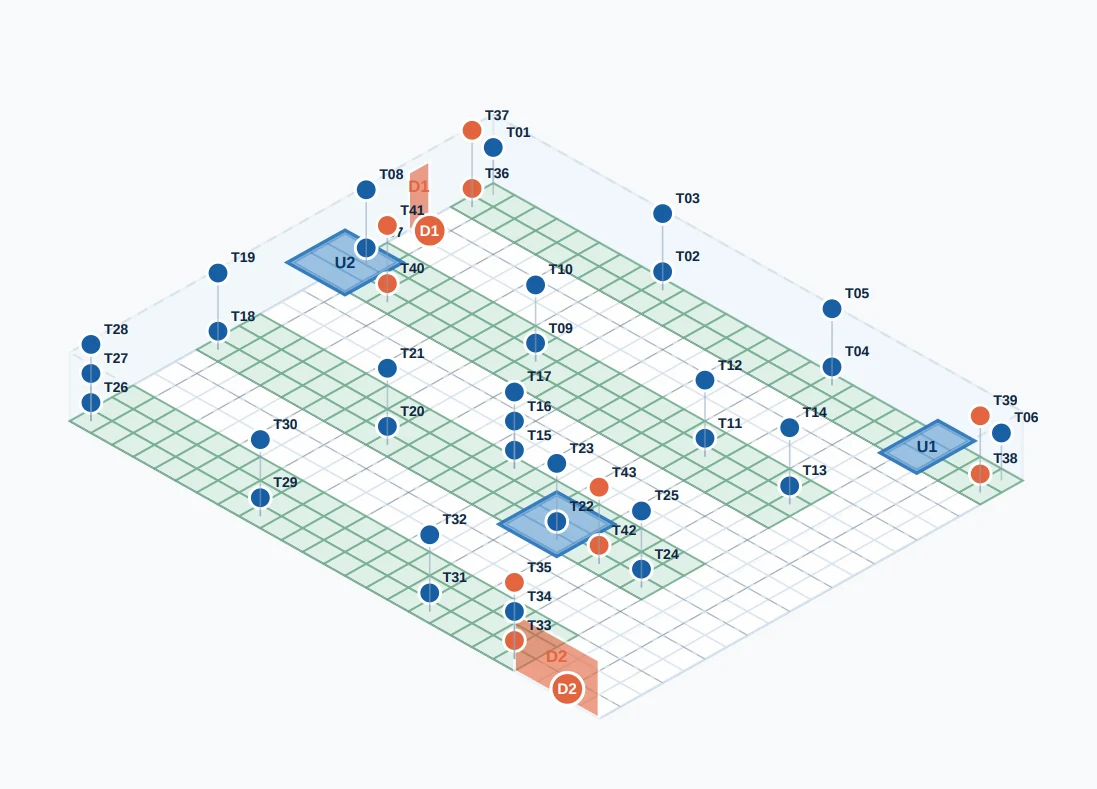
Use the tool hub or create a 3D measurement-point proposal directly. It helps make room layout, product zones, doors and risks concrete before you choose a service level.

3D mapping tool for measurement points and logger placement
Storage conditions

GDP storage depends on representative product locations

A single average room temperature is not enough. The study design should reflect racks, doors, airflow, loading, seasonal conditions and actual product locations.

15-25 °C

Warehouse and storage area

For medicinal products and APIs stored at controlled room temperature. Mapping assesses rack height, external walls, solar load, HVAC, loading pattern and weekend or night operation.

  • Warmest and coldest product locations
  • Seasonal influence and representative conditions
  • Justified fixed monitoring position
2-8 °C

Cold room and refrigerated storage

For refrigerated medicinal products, samples or temperature-sensitive materials. Mapping focuses on door zones, evaporator, return air, loading, product height and sensor position.

  • Hot/cold-spot analysis in the cold room
  • Assessment of door influence and airflow
  • Conclusion per product location
GDP context

What should you be able to substantiate?

Under GDP, storage areas should be demonstrably suitable for the required temperature conditions. Mapping links storage qualification to routine monitoring.

EU GDP

The GDP guideline expects temperature mapping of storage areas under representative conditions, including seasonal variation.

Inspection and audit

A mapping dossier helps demonstrate that storage and monitoring are justified for inspection, customer audit or internal review.

Sensor placement

Routine monitoring should follow the mapping results, especially at locations that experience temperature extremes.

Requalification

Changes, repairs, layout changes or recurring deviations may require remapping or requalification.

API distribution

Traceable substantiation of storage conditions is important for APIs, medicinal products and supplier qualification.

Seasonal mapping

Summer and winter can reveal different worst-case locations. The approach should be risk-based.

What do we measure where?

Each GDP location has its own risks

Measurement points are selected based on product locations, airflow, doors, height differences and existing temperature data.

LocationWhat does mapping assess?Typical output
GDP warehouseRacks, external walls, supply and return air, loading level and solar load.Assessment whether all product locations remain within 15-25 °C or product-specific limits.
Cold roomDoor zone, evaporator, product height, loading and recovery after door movements.Justified 2-8 °C product zones and monitoring position.
DispatchTemporary storage, open doors, seasonal influence and loading moments.Insight into temporary exposure and required procedural controls.
QuarantineSeparate storage zones, lower air circulation and different loading.Assessment whether unreleased product is also stored appropriately.
API storageProduct locations, packaging format, temperature limit and audit question.Qualification substantiation for GDP/GMP interfaces and supplier qualification.
Approach

Three support levels

Choose how much your team performs internally. The scope is aligned with the area, temperature limit, audit pressure and required dossier depth.

Level 1

Self-measurement with rented loggers

You rent calibrated data loggers and perform the measurement yourself. Suitable when you already have an internal approach and mainly need reliable instruments.

Level 3

Complete on-site execution

We perform the mapping on site, analyse the data and deliver the full dossier. Suitable for audit pressure, complexity or limited internal capacity.

View all pricing and service levels

What does the dossier contain?

What does the dossier contain?

A GDP mapping dossier should make it clear why the study design was logical, what the data show and how routine monitoring follows from the results.

"Placing the loggers ourselves and still receiving a fully substantiated dossier was exactly what we needed. Everything was arranged at short notice."
Operations manager, pharmaceutical distribution

See what a mapping dossier contains

Mapping protocolScope, duration, interval, conditions and acceptance criteria.
Risk assessmentJustification of critical locations, use and measurement points.
Measurement planRationale per logger position, including product locations and worst-case points.
Data and graphsRaw data, trends and summary per measurement point.
Hot/cold-spot analysisAssessment of temperature extremes and monitoring sensor advice.
ConclusionSuitability of warehouse or cold room, including recommendations and certificates.
When to use mapping?

When to use mapping?

Mapping is especially useful when temperature control must be demonstrable or when the situation has changed.

New warehouse or cold roomChange to HVAC, racks or layoutPreparation for inspection or customer auditSubstantiation of monitoring locationsSeasonal requalificationTemperature deviations or doubt about existing monitoringExpansion of GDP activitiesQualification of API storage